Compensation philosophy built around clear choices
A compensation philosophy is not a policy document. It is a set of deliberate choices about how an organisation rewards contribution, manages trade offs, and positions itself in the talent market.
At HRhelpdesk, we help organisations articulate a compensation philosophy that provides clarity on intent what the organisation values, where it chooses to compete, and how pay decisions are expected to be made in practice.
Using data to inform judgement, not replace it
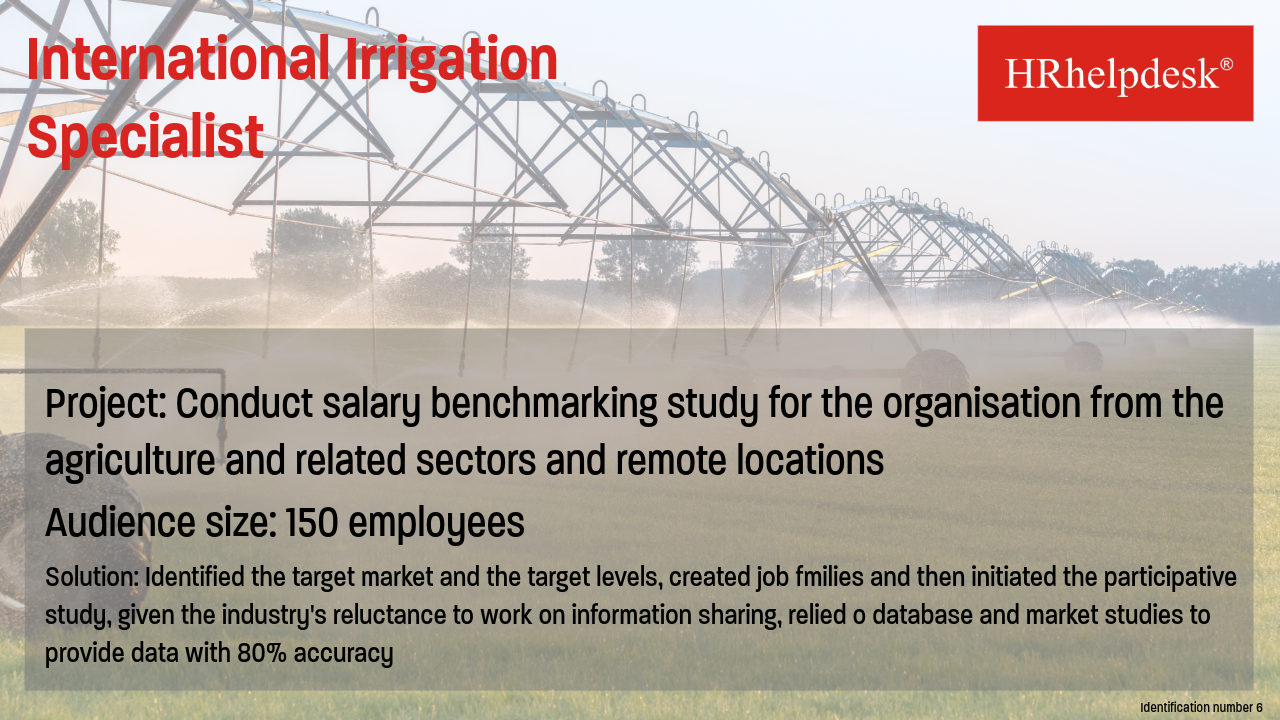
Compensation decisions require data, but they also require interpretation. We support organisations with salary benchmarking, internal equity analysis, and market diagnostics that are relevant to their industry, geography, and role architecture.
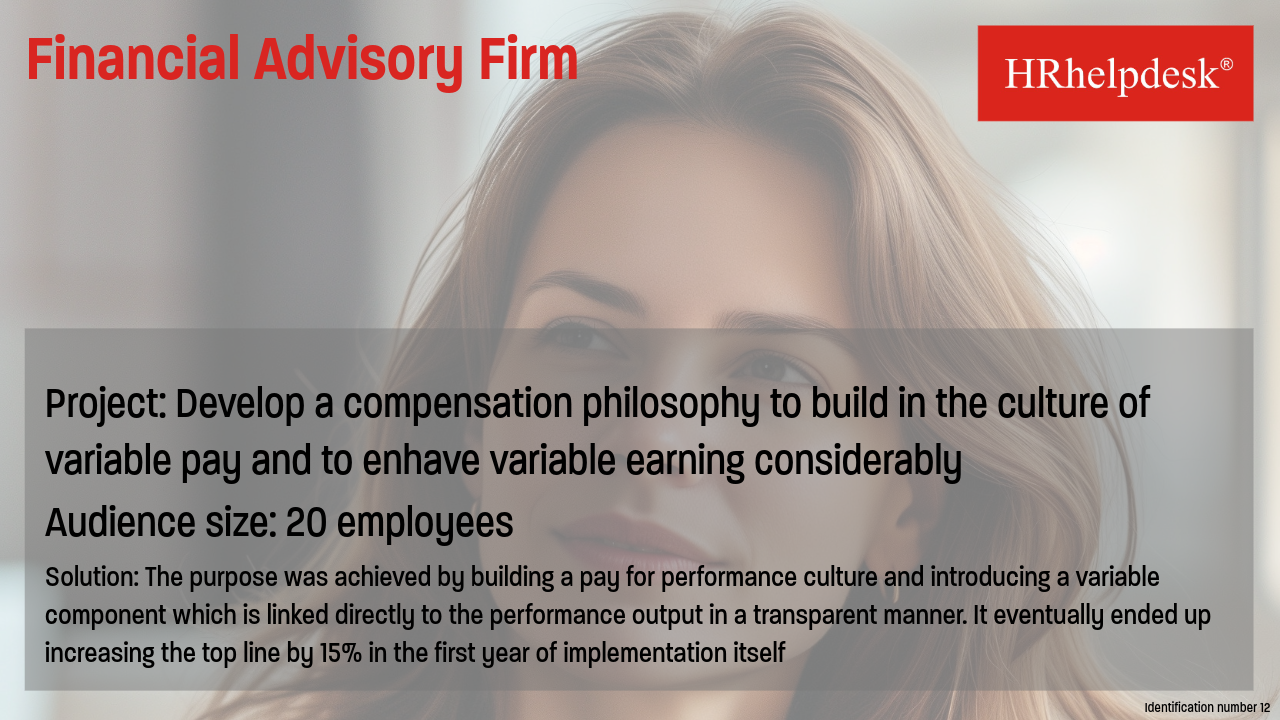
Our focus is not just on pay levels, but on how data supports decisions on pay mix, differentiation, variable pay, and reward consistency especially in situations where the answer is not obvious.
Alignment with culture, behaviour, and governance
Compensation sends strong signals about what an organisation truly values. We help ensure that reward philosophies are aligned with organisational culture, leadership expectations, and desired behaviours not just external benchmarks.
We also support organisations in establishing clear governance around compensation decisions, so outcomes are explainable, consistent, and defensible over time.
Designed to evolve with the business
As organisations grow, restructure, or enter new markets, compensation frameworks need to adapt without losing coherence. We help design philosophies and structures that can evolve while maintaining internal consistency and control.
Beyond benchmarking
Benchmarking is an input, not an answer. Our role is to help organisations interpret market data in the context of business priorities, internal equity, and long term sustainability, so compensation decisions are made with confidence.
We don’t just deliver data or reports. We help organisations make clearer compensation decisions.

Our Services Include

to inform pay decisions, not dictate them

clarity on intent, positioning, and trade offs

industry, geography, and talent dynamics

cost structure and long term affordability

ensuring reward decisions reflect role value